I am extremely interested in relearning more of American Sign Language. I took ASL 1 and ASL 2 and high school and have forgotten almost all I’ve been taught. I was inspired to take the class to be able to converse with the deaf and to be able to talk to my deaf cousin who is currently 5 years of age. I learned an awful lot but all I really remember was my ABC’s and some of the numbers. I am very inspired to relearn it and be able to hold a conversation or at the very least understand Sign Language.

As a requirement in my class in High School, we were required to attend an event held for the deaf, the one I chose was at a cafe. I remember the joy and excitement the deaf had conversing with one another and finally having people that understand them and a “voice” in their Deaf community. I thought this was such a great sight to see and I loved how excited they were that I was learning ASL and was a Hearing person. First off though, in my quest to learn American Sign Language, we must start off with the basics! We must start learning our ABC’s and numbers up to 10!
First, let’s start with our ABC’s in American Sign Language! It is simple but can be easy to get mixed up here is a picture and video to give the best visuals possible to learn ABC’s.

Learning ABC’s is very vital in American Sign Language because if you do not understand words in sign language you can simply just fingerspell; which is according to Lifeprint.com “Fingerspelling is the process of spelling out words by using signs that correspond to the letters of the word. An ASL user would use the American Fingerspelled Alphabet, (also called the American Manual Alphabet)”. So simply you are just spelling out the word with letters. Next is how to count up to 10 in American Sign Language! It is very simple and easy to learn and apply.
Knowing the basics of American Sign language are important and can be useful if an opportunity arises!
Part 2: Good things to know are some common phrases like Hello, good morning, good afternoon, and greetings I found a great video that is called “25 basic ASL signs for beginners” and it has a lot of useful sayings that can help get you by in a conversation.
I learned an awful lot from this video and Its definitely given me a lot of confidence in my ASL. There were a lot of new words I learned and I will definitely apply them when needed.
Now you can then put sentences together and start a conversation!

Here is an example sentence: Hello Good Morning! My name is Christian! How are you?
Part 3: After learning about how to properly sign I am now interested in learning the origins of American Sign language and “Deaf culture”. What I learned was quite fascinating and I will share with you some of the
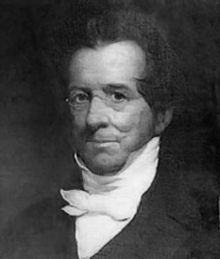
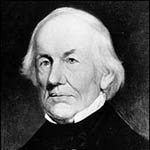
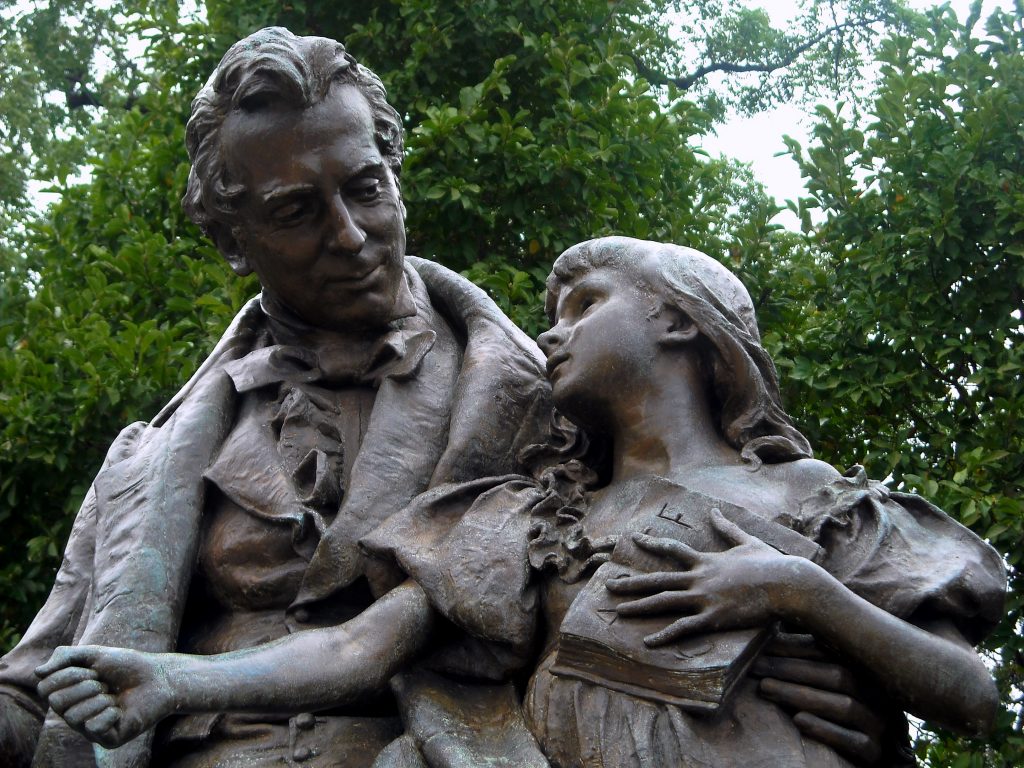
A man by the name of Dr. Thomas Hopkins Gallaudet. Gallaudet was a minister from Hartford, Connecticut had a neighbor whose daughter was deaf and named Alice. Gallaudet vowed to help her find a way to communicate with others. There was no way for the deaf to communicate with others besides by writing but Gallaudet heard there was a method for the deaf in France. Gallaudet traveled to Europe to take classes by a teacher named Laurent Clerc; who was deaf himself, and Gallaudet convinced him to come to America and teach sign language. Clerc was one of the best instructors and Gallaudet knew he would attribute heavily in starting a deaf school in the United States. Gallaudet and Clerc’s school, which is now known as the American School for the Deaf, was established in Hartford, Connecticut in 1817 as the first public free deaf school in the U.S. This was a huge milestone in American Deaf history! In 1864, there was a college founded and named Gallaudet University which was the first college for the deaf.
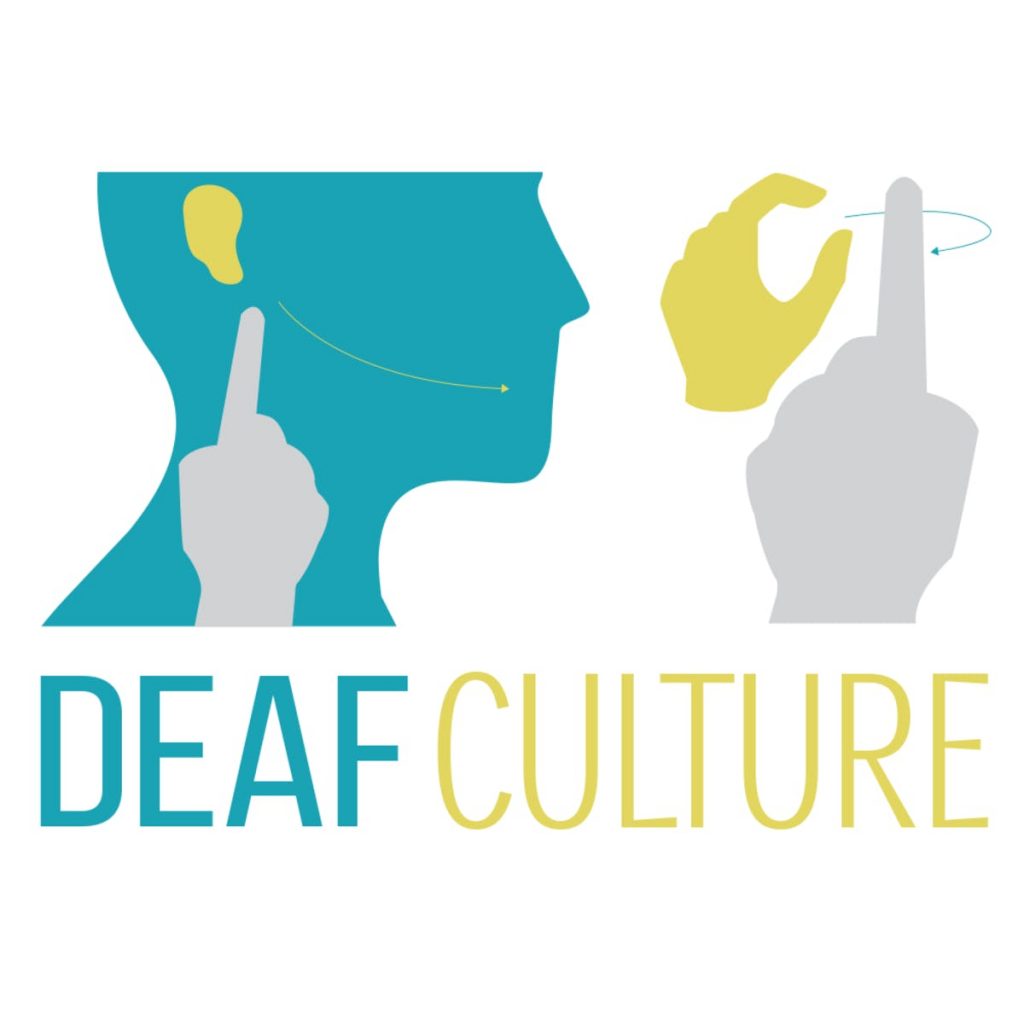
Something else that Iearned that I found absolutely fascinating was the difference between being “Deaf” and “deaf” in Deaf culture. Lower case “d” is a person that does not associate with other members of the deaf community. They may choose to identify themselves with hearing people even though they are deaf or hard of hearing. They could have a cochlear implant which could aid them in understanding hearing people that do not sign. While “Deaf” associate themselves with deaf culture and have a strong deaf identity.
I

0 Comments